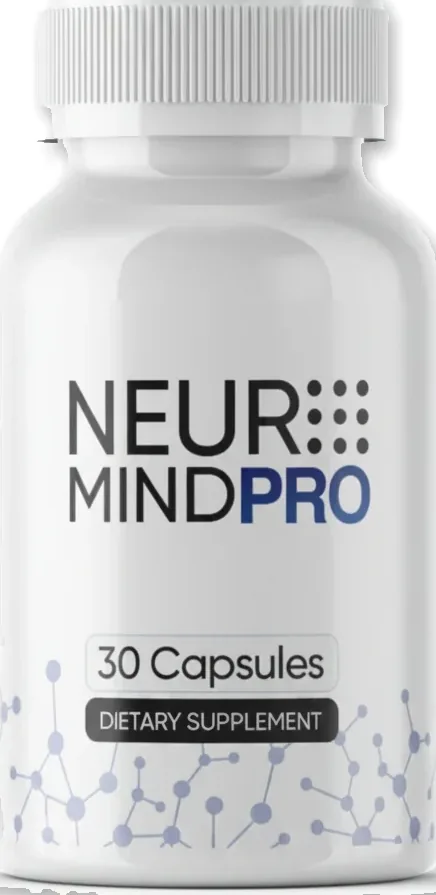
Written from the printed panel
Neuromind Guides: Read the Label Before You Buy
Five pages. Two guides cover the category and the caffeine question: what a focus supplement usually contains, and how a stimulant capsule fits around seven hours of sleep. Three posts cover this label: what the 151 mg blend hides, all ten panel ingredients one at a time, and how to read any Supplement Facts panel in order. No page here estimates an amount inside the blend.
What do the Neuromind guides cover?
Two long guides and three shorter posts, five pages in total. The guides handle the wider subject: what a focus supplement is as a category, and how caffeine behaves against a normal sleep schedule. The posts stay on this label.
Everything is written from the printed Supplement Facts panel. Where that panel is silent, the guides are silent too. If you only read one page, read the panel itself first, then come back.
Focus supplements explained
What the category normally holds, how a proprietary blend is allowed to work, and what to read on a panel before you pay. Neuromind is the worked example.
Read moreCaffeine and sleep
How long caffeine keeps working, the 400 mg a day reference point, and how to fit a stimulant capsule into a day that still ends in seven hours of sleep.
Read moreGuide one: focus supplements explained
This is the category explainer. It sorts a typical focus product into five groups: stimulants, amino acids, herbs studied over months, B vitamins, and compounds that act on brain chemistry in a drug-like way.
The middle of the guide is about time. A stimulant is felt within the hour. A herb like bacopa was only studied over twelve weeks or more. Those two things get sold in the same capsule and they behave nothing alike, which is why people are so often disappointed by week two.
It also explains what a proprietary blend is, why the law allows one total weight with the parts in descending order, and what that rule quietly hands you anyway. Neuromind runs through the whole guide as the worked example, honestly, including the parts that do not flatter it.
Read it if you are new to the category, or if you are comparing this bottle with another one on a shelf. It pairs well with the ingredients page.
Guide two: caffeine and sleep
This is the practical one. Caffeine has a half-life of roughly five hours in most healthy adults, which means a dose taken in the afternoon is still partly in you at bedtime. That single fact decides when a capsule like this should be taken.
The guide covers the FDA reference point of 400 mg of caffeine a day for healthy adults and the signs it lists when that is passed. It covers how many hours of sleep an adult needs. Then it deals with the awkward case: what to do when the bottle does not print a caffeine amount at all, which is exactly the case here.
It closes on theobromine and theacrine, the other two stimulants in this capsule, and on why theacrine plus caffeine is not simple addition. If you already drink coffee, this is the guide to read before your first capsule, alongside how to take it.
The three blog posts, in one line each
The posts are shorter and tighter than the guides. Each one takes a single part of this label and finishes it.
What the blend hides
Seven names share one 151 mg number. What that number gives you, what it takes away, and the single useful thing it does settle.
Read moreTen names, one number
Every ingredient on the panel in plain words, what each is usually studied for, and what amount is published for it here.
Read moreReading a label that hides the dose
A panel is read top to bottom in a fixed order. Here is that order, what each line is for, and where this product gets awkward.
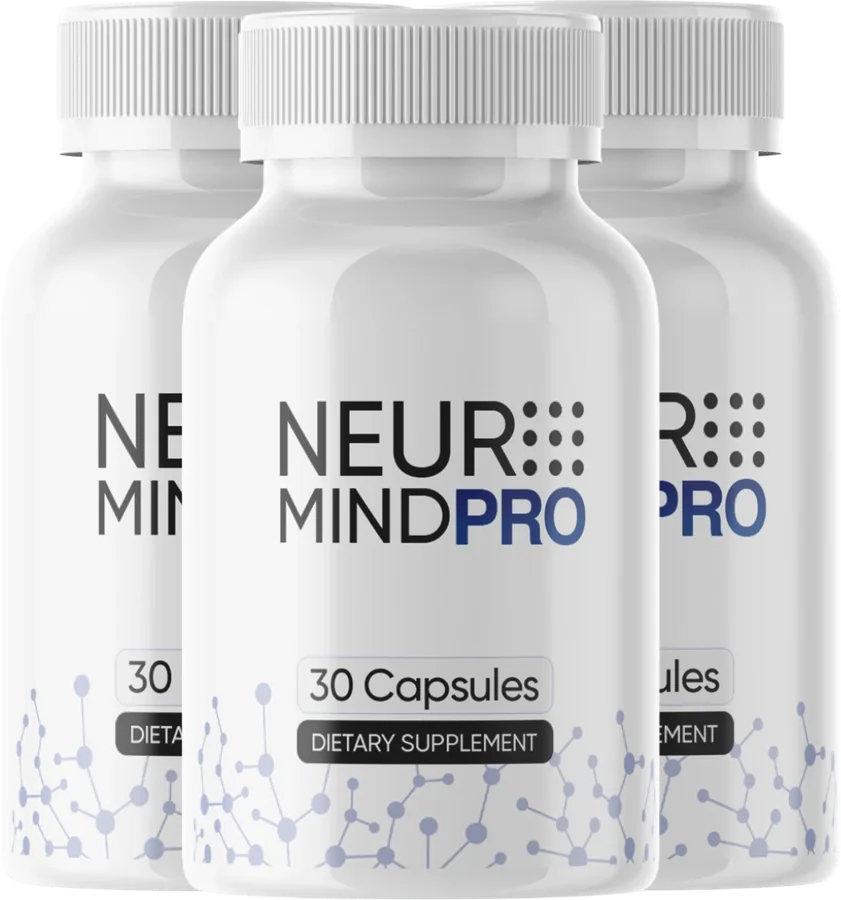
Read moreWhat the blend hides is about one number. It explains why 151 mg with seven names under it is both more information than some labels give and less than you need, and it pins down the one thing that number does settle.
Ten names, one number goes through the whole panel, one ingredient at a time, in plain words. Each entry says what the ingredient is generally studied for and at what sort of amounts, then says what amount this label publishes for it. For seven of the ten the answer is none.
Reading a label that hides the dose is a method rather than a product page. Serving size, servings per container, amount per serving, percent Daily Value, the blend line, the other ingredients line. Read in that order and most surprises disappear. The full set sits on the blog index.
Which page answers your question?
Pick the row that sounds like the thing you actually want to know. Every link goes to a page on this site.
| If you are asking | Start here | Why that one |
|---|---|---|
| What even is a nootropic? | Focus supplements explained | It sorts the category into families and explains what each family is usually asked to do. |
| Will this keep me awake? | Caffeine and sleep | Half-life, the daily reference point and a timing plan you can follow without a number on the label. |
| Why can I not see the caffeine amount? | What the blend hides | It explains the 151 mg line, the descending order rule and the ceiling that follows from both. |
| What is bacopa doing in here? | Ten names, one number | One short entry per ingredient, with the research and the published amount side by side. |
| How do I check any bottle? | Reading a label that hides the dose | A line-by-line method that works on any US supplement panel, not only this one. |
| What does the panel actually print? | Supplement Facts | The panel typed out in full, with the directions and the caution from the label. |
How these guides are written
Five rules, applied to every page. They are the reason some of these pages are less exciting than the sales copy around this product.
We start from the printed panel
Every number on this site comes off the label artwork: 1 capsule, 30 per bottle, B1 6 mg, B6 8.5 mg, B12 24 mcg, and one 151 mg blend.
We mark the blanks as blanks
Where the panel prints no amount, the guides say so in those words. No guide on this site estimates a milligram figure for anything inside the blend.
We link the research we read
Claims about an ingredient point to the study or to a federal health page. If a trial ran in patients rather than healthy adults, the guide says which.
We keep the product separate from the ingredient
Research on bacopa is research on bacopa. It is not a finding about a capsule whose bacopa amount is unpublished.
We date everything
Each page carries a last updated date. These five were written for September 24, 2026.
Dietary supplements are not reviewed for effect before they go on sale, so the label and the research are the only two documents a buyer has (FDA). The NIH asks shoppers to know what is in a product, to watch for interactions with medicine, and to tell every clinician about everything they take (NIH ODS). A blend with no split makes the first of those three harder than it should be.
What these guides will not do
Two boundaries are worth stating before you start reading. One is about numbers. The other is about health.
Ground rules
What these guides will not do
They will not tell you how much caffeine is in a capsule, because that figure is not printed anywhere. They will not promise a result, a date or a feeling.
- Split the 151 mg blend into parts
- Name a caffeine dose, even as a range
- Treat an ingredient study as proof about this capsule
- Publish a review, a star score or an order count
- Suggest a supplement for a medical problem
What they do instead is show you the method. Once you can read a panel in order, you can judge the next bottle you pick up without any help from a website.
Questions about a page, a typo or a source go to [email protected]. Orders, tracking and refunds go to +1 (877) 257-0710, because the website inbox cannot see orders.
Neuromind guides: common questions
Where should I start if I have never taken a focus supplement?
Start with focus supplements explained. It covers the five ingredient families and the difference between something you feel in an hour and something studied over months.
Do these guides tell me how much caffeine is in a capsule?
No, and no honest page can. The caffeine sits inside a 151 mg blend with six other ingredients and the label prints no split. The guides explain what you can work out instead.
Are the guides about this product or about supplements in general?
Both. The two guides explain the category and use this label as the worked example. The three posts stay on this label from start to finish.
Do you publish customer reviews in the blog?
No. The star scores, order counts and reviewer lines in our source material are layout copy, not real feedback, so nothing of the kind is printed anywhere on this site.
How often are these pages updated?
They carry a last updated date at the top. The current set was written for September 24, 2026. If the label artwork on bottles changes, the pages change with it.
Can I suggest a topic?
Yes. Email [email protected], Mon-Fri 9:00am-5:00pm ET. That inbox handles pages, sources and typos. It cannot look up an order.
Is any of this medical advice?
No. These are reading guides for a label and for published research. Anything about your own health, your medicines or your sleep belongs with a doctor or a pharmacist.
Sources for this page
Keep reading
Ready when you are
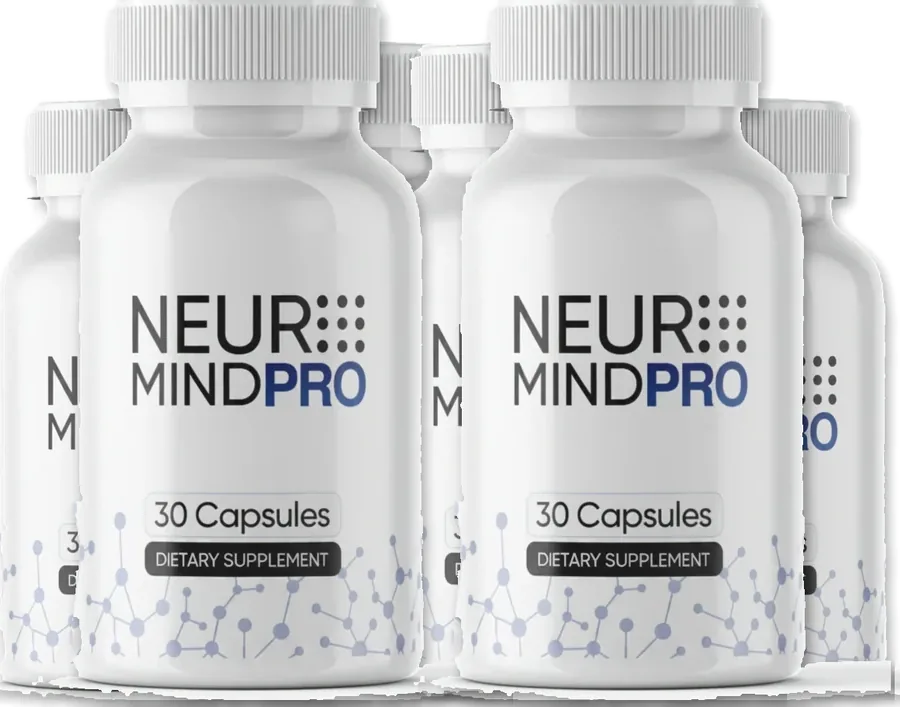
Order Neuromind from the U.S. retail desk
One capsule a day. Follow the label on your bottle. 60-day money-back guarantee. A real person at +1 (877) 257-0710 for orders, tracking and refunds.