Ingredient by ingredient
Neuromind Ingredients: Ten Names, One Number for Seven of Them
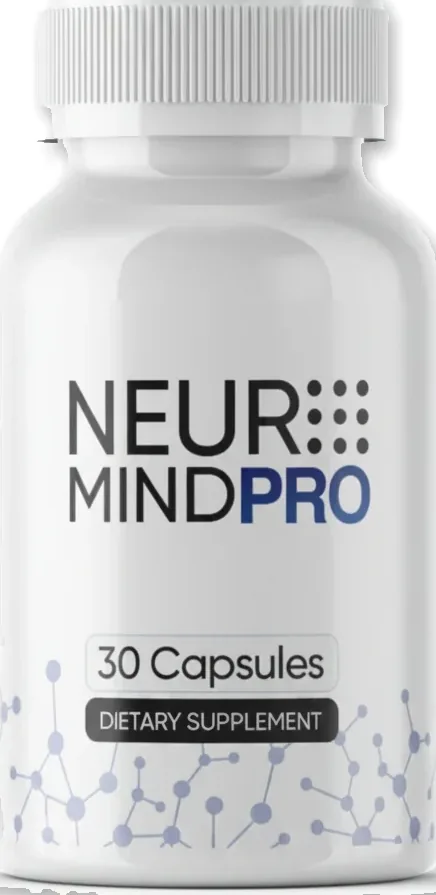
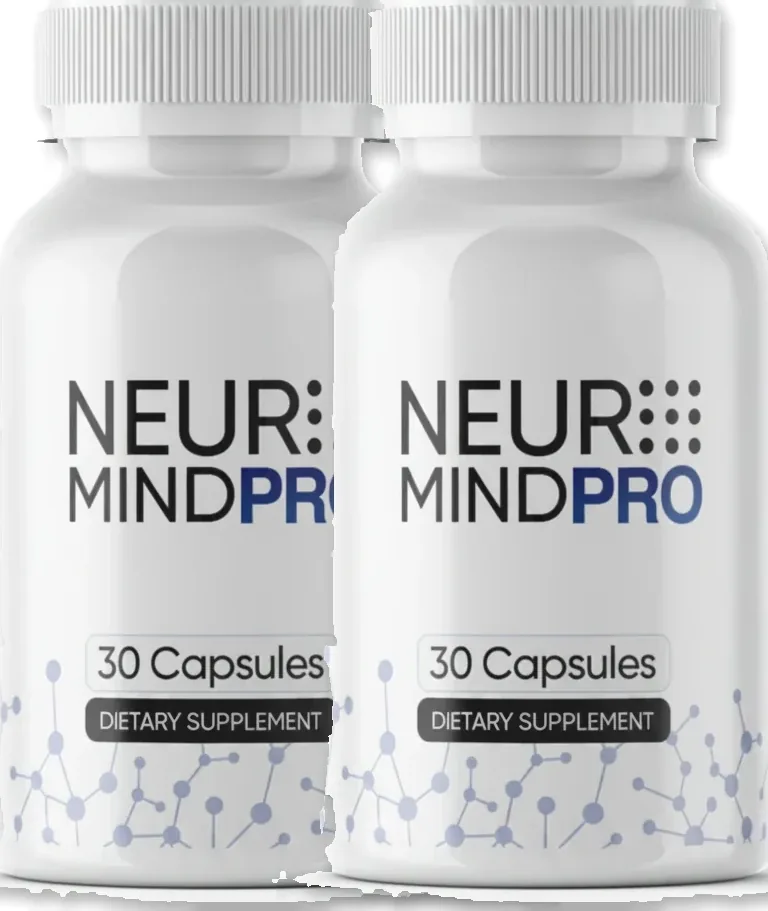
Neuromind ingredients are ten names on the printed panel. Vitamin B1 at 6 mg, vitamin B6 at 8.5 mg and vitamin B12 at 24 mcg carry printed amounts and Daily Values. The other seven, caffeine from green coffee, L-tyrosine, theacrine, theobromine, bacopa, rhodiola and huperzia serrata, share one 151 mg proprietary blend with no amount published for any of them. The capsule shell is hypromellose, a vegetable capsule.
What are the ten ingredients on the Neuromind panel?
Three vitamins and seven more things inside one blend. The sales page names six ingredients. The printed Supplement Facts panel names ten, and the four it adds are theobromine, bacopa monnieri, rhodiola rosea and huperzia serrata.
This post takes all ten, one at a time, in panel order. Each entry says what the ingredient is, what it is generally studied for, and what amount this label publishes. For the last seven that answer is the same every time.
| # | Name on the panel | Amount printed | Usually studied at |
|---|---|---|---|
| 1 | Vitamin B1, thiamine HCL | 6 mg, 500% DV | Adults need about 1.1 to 1.2 mg a day from food |
| 2 | Vitamin B6, pyridoxine HCL | 8.5 mg, 500% DV | About 1.3 mg a day, adult upper limit 100 mg |
| 3 | Vitamin B12, methylcobalamin | 24 mcg, 1,000% DV | About 2.4 mcg a day |
| 4 | Caffeine from green coffee bean | Not published | Research and the FDA reference point are in milligrams a day |
| 5 | L-tyrosine | Not published | Trials used single doses in grams, under stress |
| 6 | Theacrine | Not published | Small human trials, usually alongside caffeine |
| 7 | Theobromine | Not published | Studied in cocoa research, in milligrams |
| 8 | Bacopa monnieri, 20% bacosides | Not published | Set daily amounts for twelve weeks or longer |
| 9 | Rhodiola rosea root | Not published | Varies by trial, and the evidence base is thin |
| 10 | Huperzia serrata, 1% huperzine-A | Not published | Studied as a drug, in micrograms |
Everything below comes from that panel and from research on the ingredient itself. None of it is a finding about this capsule, because no study of the finished product has been published. The panel is typed out on the Supplement Facts page.
The three vitamins, where the label gives real numbers
These three are the half of the panel you can actually check. Serving size is one capsule, so every figure below is per capsule.
1. Vitamin B1, as thiamine HCL, 6 mg
Thiamin is a B vitamin the body uses to turn food into energy. Adults need roughly 1.1 to 1.2 mg a day from food, so 6 mg is several times a normal intake. No upper limit is set, because a surplus is passed in urine (NIH ODS). The amount is printed, so nothing here needs guessing.
2. Vitamin B6, as pyridoxine HCL, 8.5 mg
This is the one B vitamin on the panel with a real ceiling. Adults need about 1.3 mg a day and the adult upper limit is 100 mg a day, with very high long-term intakes linked to nerve damage (NIH ODS). At 8.5 mg this label sits well under that. The only thing to watch is what else you take, since B6 is in many multivitamins.
3. Vitamin B12, as methylcobalamin, 24 mcg
Adults need about 2.4 mcg a day, so this is roughly ten times that, which is where 1,000% comes from. No upper limit is set, because the body absorbs only a small fraction of a large oral dose. Metformin and long-term acid reducers can lower B12 levels (NIH ODS).
A high percentage is not a measure of strength. On whether B vitamins sharpen thinking in healthy people who are not deficient, reviews have not found a clear effect (NCCIH).
The stimulants and the amino acid, names four to seven
Here the printed amounts stop. These four are the first names inside the blend, which by the labeling rules makes them the four heaviest of the seven.
4. Caffeine from green coffee bean
The stimulant, and the number most buyers want. It is printed first in the blend, so it outweighs the other six. The FDA points to 400 mg of caffeine a day as not generally tied to negative effects in healthy adults, and lists a faster heart rate, palpitations, higher blood pressure and broken sleep as signs of too much (FDA). That guidance is in milligrams a day, and this label publishes none.
5. L-tyrosine
An amino acid the body uses to build dopamine and noradrenaline. A review of the human trials found it mostly helped in short, demanding conditions such as cold, noise or lost sleep, and did little in rested people (Jongkees et al., 2015). Those trials used single doses in grams. This label publishes no amount for it.
6. Theacrine
A purine alkaloid from kucha tea, chemically related to caffeine, with thin human research behind it. One study in healthy adults found caffeine raised blood levels of theacrine, so the two are not simply additive (He et al., 2017). This label publishes no amount for it.
7. Theobromine
The mild stimulant in cocoa and dark chocolate, from the same methylxanthine family as caffeine, gentler and slower but longer lasting. Its presence is why this capsule reads as a stimulant blend rather than one stimulant. This label publishes no amount for it.
The three herbs, names eight to ten
These are the last three names in the blend, so they are the smallest shares of the 151 mg. Two come with interactions worth naming.
8. Bacopa monnieri, whole plant extract, 20% bacosides A and B
A herb used in Ayurvedic practice, and the one here with the most supportive trial data. A meta-analysis of nine placebo-controlled trials found small gains in speed of attention after at least twelve weeks of daily use at set amounts (Kongkeaw et al., 2014). Twelve weeks is the headline. This label publishes no amount for it, so no comparison is possible.
9. Rhodiola rosea root
A root sold for fatigue and stress, with more marketing behind it than evidence. NCCIH says there is not enough reliable evidence to determine whether rhodiola or its components are useful for any health purpose, and notes reports of an interaction with losartan, a blood pressure medicine (NCCIH). This label publishes no amount for it.
10. Huperzia serrata, whole herb extract, 1% huperzine-A
The one to raise with a doctor. Huperzine-A is a cholinesterase inhibitor, the same mechanism as some prescription dementia drugs, and it has been studied as a drug rather than as a food ingredient (Yang et al., 2013). Research on it is measured in micrograms. It is printed last in the blend, so it is the smallest of the seven shares, and this label publishes no amount for it.
What the list looks like when you step back
Four things stand out once all ten sit side by side, and none needs a milligram figure to see.
- Three of the ten are stimulants, and they are names four, six and seven on the panel.
- Two of the ten are herbs with reported interactions worth raising with a pharmacist.
- One of the ten behaves like a class of prescription medicine.
- Seven of the ten share a single 151 mg line, so none of them can be checked against research.
The other ingredients line is short: Rice Flour, Hypromellose (Vegetable Capsule), Magnesium Stearate, Silicon Dioxide. Hypromellose is a vegetable capsule, which matters to anyone avoiding gelatin. The rest are a filler and two flow agents.
Ten names is a longer list than many focus products publish, and naming all seven blend contents is more open than hiding them behind a trade name. The gap is not the names. It is the numbers beside seven of them, which is taken apart in what the blend hides.
One last point, and it is the one to take to a pharmacist. You do not need an amount to start that conversation, and the side effects page lists what to raise. Bring the bottle, not a website.
Questions people ask about this
How many ingredients does the panel list?
Ten. Three vitamins with printed amounts, then seven inside a single 151 mg proprietary blend. The sales page names only six of the ten.
Which ingredients carry an amount?
Vitamin B1 at 6 mg, vitamin B6 at 8.5 mg and vitamin B12 at 24 mcg. Those three also carry Daily Values of 500%, 500% and 1,000%.
Which ingredient should I mention to a doctor?
Huperzine-A first, because it is a cholinesterase inhibitor and has been studied as a drug (Yang et al., 2013). Mention rhodiola too if you take losartan, and mention the caffeine if you take anything for your heart or blood pressure.
Are theobromine and theacrine on the sales page?
Theacrine is. Theobromine is not, and neither are bacopa, rhodiola or huperzia. All four are on the printed panel, and the panel is the document this site follows.
What are the other ingredients?
Rice Flour, Hypromellose (Vegetable Capsule), Magnesium Stearate, Silicon Dioxide. Hypromellose is the vegetable capsule shell, rice flour is the filler, and the last two are flow agents.
Sources for this page
- NIH Office of Dietary Supplements. Thiamin: Fact Sheet for Consumers. Source
- NIH Office of Dietary Supplements. Vitamin B6: Fact Sheet for Consumers. Source
- NIH Office of Dietary Supplements. Vitamin B12: Fact Sheet for Consumers. Source
- U.S. Food and Drug Administration. Spilling the Beans: How Much Caffeine is Too Much? Source
- Jongkees BJ, Hommel B, Kuhn S, Colzato LS. Effect of tyrosine supplementation on clinical and healthy populations under stress or cognitive demands - A review. J Psychiatr Res, 2015. Source
- He H, Ma D, Crone LB, et al. Assessment of the Drug-Drug Interaction Potential Between Theacrine and Caffeine in Humans. J Caffeine Res, 2017. Source
- Kongkeaw C, Dilokthornsakul P, Thanarangsarit P, Limpeanchob N, Scholfield CN. Meta-analysis of randomized controlled trials on cognitive effects of Bacopa monnieri extract. J Ethnopharmacol, 2014. Source
- National Center for Complementary and Integrative Health. Rhodiola: Usefulness and Safety. Source
- Yang G, Wang Y, Tian J, Liu JP. Huperzine A for Alzheimer's disease: a systematic review and meta-analysis of randomized clinical trials. PLoS One, 2013. Source
- National Center for Complementary and Integrative Health. Dietary Supplements and Cognitive Function, Dementia, and Alzheimer's Disease: What the Science Says. Source
Keep reading
Ready when you are
Order Neuromind from the U.S. retail desk
One capsule a day. Follow the label on your bottle. 60-day money-back guarantee. A real person at +1 (877) 257-0710 for orders, tracking and refunds.