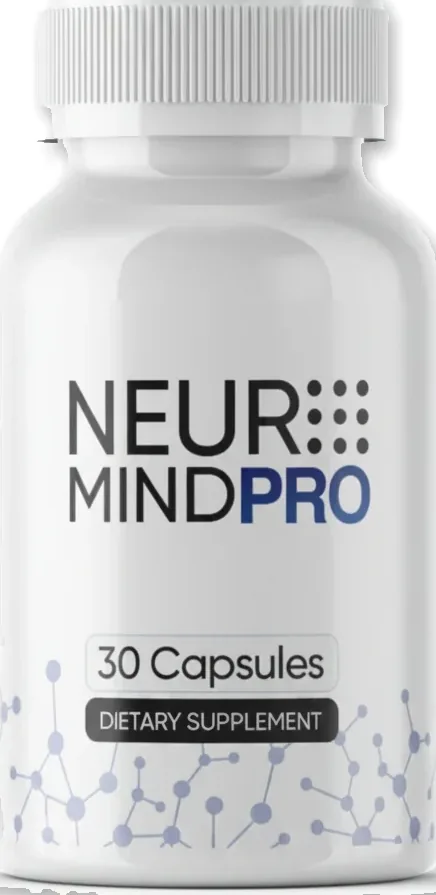
Mechanisms explained plainly
How Does Neuromind Work? Each Ingredient Explained
Neuromind combines stimulants, L-tyrosine, three B vitamins and three herbs in one daily capsule.
Caffeine blocks adenosine, the signal that builds up during the day and makes you feel sleepy. L-tyrosine supplies dopamine building blocks, and bacopa acts slowly over weeks.
For the amounts, see the full ingredient list.
How does Neuromind work?
Honestly answered: the ingredients have mechanisms, and this capsule does not have a published one. Each of the ten names on the panel has been studied somewhere, at some amount. Seven of those ten sit inside a single 151 mg blend with no split, so not one of them can be matched to the research behind it.
That is the short version, and the rest of this page is the long version. It works through the four groups of ingredients on the panel, then explains plainly why none of it transfers to the bottle. The panel itself is on the Supplement Facts page.
| Ingredient | How it is generally understood to act | How it was studied | What this label lets you check |
|---|---|---|---|
| Caffeine | Blocks adenosine, the signal that builds up during the day and makes you feel sleepy | Thousands of trials, at stated doses | Nothing. No amount is printed |
| Theobromine | A milder relative of caffeine from the same chemical family | Mostly in cocoa research | Nothing. No amount is printed |
| Theacrine | A caffeine relative from kucha tea | A short human record, and caffeine changes its blood levels | Nothing. No amount is printed |
| L-tyrosine | Supplies the raw material the body turns into dopamine and noradrenaline | Short tasks under stress, cold, noise or lost sleep | Nothing. No amount is printed |
| Bacopa monnieri | Proposed effects on nerve signalling that build slowly over weeks | Daily dosing for 12 weeks or longer | Nothing. No amount is printed |
| Rhodiola rosea | Sold as an adaptogen for fatigue | Small, mixed trials | Nothing. No amount is printed |
| Huperzine-A | Slows the enzyme that breaks down acetylcholine | As a drug candidate, at microgram doses | Nothing. No amount is printed |
| Vitamins B1, B6, B12 | Cofactors the body uses in energy and nerve chemistry | Mostly in people who are short of them | 6 mg, 8.5 mg and 24 mcg. All three printed |
The stimulant group: caffeine, theobromine and theacrine
Three of the seven names inside the blend are stimulants, and they are names one, three and four in the printed order. This is the part of the formula a person is most likely to feel.
Caffeine works by blocking adenosine, a molecule that accumulates while you are awake and pushes you toward sleep. Block it and tiredness is masked for a few hours. The FDA treats 400 mg a day as the figure not generally tied to problems in healthy adults, and lists a faster heartbeat, palpitations, raised blood pressure and broken sleep as the signs of too much FDA.
Theobromine is the mild stimulant in cocoa, from the same methylxanthine family. Theacrine is a caffeine relative from kucha tea with a much shorter human record. One study in healthy adults found that caffeine raises blood levels of theacrine, so putting the two together is not a matter of adding one effect to another He et al., 2017.
L-tyrosine and the B vitamins: the supply side
These four work differently from the stimulants. They do not push a system. They supply material the body uses to run one.
L-tyrosine is an amino acid the body converts into dopamine and noradrenaline, two of the chemicals involved in attention and drive. Ordinary protein in food supplies it as well. A review of the human trials found tyrosine mostly helped in short, demanding conditions such as cold, loud noise or a night of lost sleep, and did little in people who were rested Jongkees et al., 2015. The interesting detail there is that the benefit showed up where a resource was being depleted, not in general use.
Vitamins B1, B6 and B12 act as cofactors in energy production and nerve chemistry. If someone is genuinely short of one, correcting it matters. If they are not, the effect is smaller than the packaging suggests, and reviews of supplements and thinking in healthy people have not found a clear result NCCIH. These three at least carry printed amounts, which is why the ingredients page can discuss them properly.
The herbs: bacopa, rhodiola and huperzia serrata
The last three names in the blend are plants, and they are the three the sales page never mentions. Each is understood differently and each is studied differently.
Bacopa monnieri
The proposed action is on nerve signalling and builds slowly. The meta-analysis that found anything used daily dosing for at least 12 weeks and reported small gains in speed of attention.
Rhodiola rosea
Sold as an adaptogen for fatigue. NCCIH says there is not enough reliable evidence to tell whether it is useful for any health purpose.
Huperzia serrata
Standardised to 1% huperzine-A, which slows the enzyme that breaks down acetylcholine. That is the mechanism of some prescription dementia medicines.
Bacopa carries the strongest signal of the three, and even that is modest and slow Kongkeaw et al., 2014. Rhodiola carries the weakest NCCIH. Huperzine-A is the most pharmacologically active of anything on this panel, and it has been researched as a drug candidate rather than as a food ingredient Yang et al., 2013. That is why it is the ingredient to mention to a doctor or pharmacist before you start, particularly alongside prescription medicine.
Why none of that can be applied to this capsule
Everything above describes ingredients. None of it describes Neuromind, and the difference is not a technicality.
- No amount is published for any of the seven ingredients in the 151 mg blend
- So no ingredient can be compared with the dose used in its own research
- No study of this finished capsule has been published
- The sales page names six ingredients while the panel names ten, so even the list depends on which source you read
Research works on doses. A trial that reports a result reports it for a stated amount taken for a stated time. Strip the amount out and the study no longer connects to the product. Bacopa is the clearest example: the trials that found small gains used set daily amounts for 12 weeks or more, and this label publishes no bacopa amount at all, so the comparison cannot be made in either direction.
- What is certain: the blend weighs 151 mg in total
- What is certain: the seven ingredients are printed heaviest first
- What is certain: nothing inside the blend can exceed 151 mg
- What is certain: the three vitamin amounts are printed and can be checked
That list is short because the label is short. We would rather publish four certainties than ten guesses. If the amounts were printed tomorrow, this page would get longer and more useful the same day.
What you can reasonably expect to notice
One honest expectation exists, and it comes from the caffeine rather than from the formula. Caffeine acts within the hour in most people. Anything you notice on the first morning is the stimulant part doing what stimulants do.
Everything else on the panel is either slow, unmeasured or both. Nothing published about bacopa, rhodiola or huperzine-A suggests a same-day effect, and no amount is given for any of them. There is no timeline on the label and this site publishes no customer reviews, so there is nothing to lean on beyond that. The results timeline page covers the planning side, including the 60-day money-back window.
How Neuromind works: common questions
Is there any study of Neuromind itself?
None has been published. The research that exists is on individual ingredients at stated doses, which is a different thing from a trial of this finished capsule. Anyone describing this product as proven is describing something that does not exist.
How long does caffeine take to act?
Within the hour for most healthy adults, and it is still in the body many hours later. That is the one mechanism on this panel with a predictable timing, and it is also the reason a late capsule can reach bedtime.
Does a proprietary blend change how the ingredients work?
No. It changes what you can know about them. The chemistry inside the capsule is whatever it is. The 151 mg format simply removes the information you would need to compare that chemistry with any published research.
Which ingredient has the most research behind it?
Caffeine, by a wide margin, though that research is about caffeine rather than about this product. Among the herbs, bacopa has the most supportive data, from trials that ran 12 weeks or longer at stated daily amounts.
Why does huperzine-A get singled out?
Because of its mechanism. It slows the enzyme that breaks down acetylcholine, which is how a class of prescription medicine works. An ingredient that acts like a drug deserves a word with your doctor, especially when its amount is not printed.
Do the B vitamins make the blend work better?
Nothing published supports that. B vitamins are cofactors, and correcting a genuine shortage matters, but reviews have not found a clear effect on thinking in people who are not short of them.
Sources for this page
- U.S. Food and Drug Administration. Spilling the Beans: How Much Caffeine is Too Much? Source
- He H, Ma D, Crone LB, et al. Assessment of the Drug-Drug Interaction Potential Between Theacrine and Caffeine in Humans. J Caffeine Res, 2017. Source
- Jongkees BJ, Hommel B, Kuhn S, Colzato LS. Effect of tyrosine supplementation on clinical and healthy populations under stress or cognitive demands - A review. J Psychiatr Res, 2015. Source
- Kongkeaw C, Dilokthornsakul P, Thanarangsarit P, Limpeanchob N, Scholfield CN. Meta-analysis of randomized controlled trials on cognitive effects of Bacopa monnieri extract. J Ethnopharmacol, 2014. Source
- National Center for Complementary and Integrative Health. Rhodiola: Usefulness and Safety. Source
- Yang G, Wang Y, Tian J, Liu JP. Huperzine A for Alzheimer's disease: a systematic review and meta-analysis of randomized clinical trials. PLoS One, 2013. Source
- National Center for Complementary and Integrative Health. Dietary Supplements and Cognitive Function, Dementia, and Alzheimer's Disease: What the Science Says. Source
- U.S. Food and Drug Administration. Dietary Supplement Labeling Guide: Chapter IV. Nutrition Labeling. Source
Keep reading
Ready when you are
Order Neuromind from the U.S. retail desk
One capsule a day. Follow the label on your bottle. 60-day money-back guarantee. A real person at +1 (877) 257-0710 for orders, tracking and refunds.