Practical timing guide
Caffeine and Sleep: How to Time Neuromind Sensibly
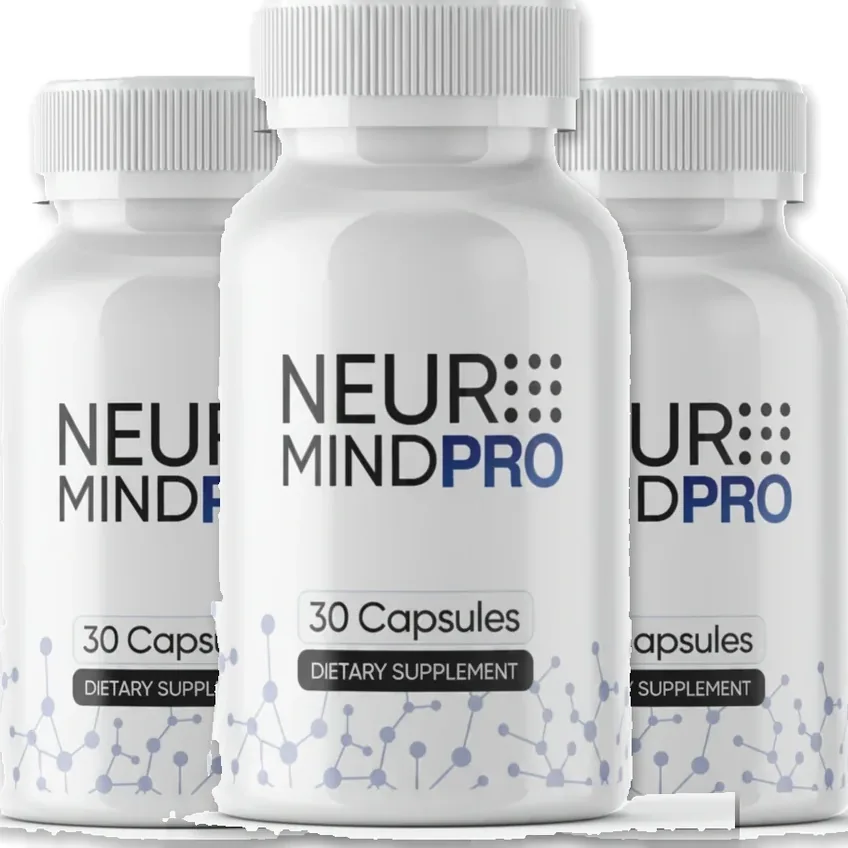
Caffeine has a half-life of about five hours in most healthy adults, so an afternoon dose is still working at bedtime. The FDA points to 400 mg a day for healthy adults, and the CDC says adults need 7 or more hours of sleep. This capsule prints no caffeine amount, so plan around the 151 mg blend ceiling and take it early in the day.
How long does caffeine keep working?
Longer than most people plan for. In most healthy adults caffeine has a half-life of roughly five hours, so about half a dose is still in the body five hours later and about a quarter after ten.
That is an average and it moves. Pregnancy, some medicines and liver conditions slow it down, smoking speeds it up, and genetics explain much of the spread between two people drinking the same cup.
| Hours after a dose | Roughly how much is left | What that means at bedtime |
|---|---|---|
| 0 hours | All of it | The effect builds over the first hour |
| 5 hours | About half | A 7am dose is half gone by lunchtime |
| 10 hours | About a quarter | A 3pm dose still has a quarter working at 1am |
| 15 hours | About an eighth | Small, but landing on tomorrow's coffee |
| 20 hours | A trace | Background rather than effect |
The practical reading is simple. A dose at 3pm is not finished by 11pm. It is smaller and still there, on top of whatever you drank at lunch.
How much caffeine is too much in a day?
The FDA points to 400 mg a day as an amount not generally associated with negative effects in healthy adults, which is roughly four to five cups of brewed coffee. It also notes that people vary widely in how sensitive they are and in how fast they clear it (FDA).
The same guidance lists what too much looks like: insomnia, jitters, anxiousness, a faster heart rate, an upset stomach, nausea, headache and low mood. Trust those signals over any daily figure, because the figure is a population reference and you are one person.
Here is the part worth sitting with. Almost every caffeine source in a normal day carries a number you can look up.
| Where caffeine comes from | Typical amount | Can you check it? |
|---|---|---|
| Brewed coffee, 8 oz | About 95 mg | Yes, widely documented |
| Espresso, single shot | About 64 mg | Yes |
| Black tea, 8 oz | About 47 mg | Yes |
| Cola, 12 oz | About 34 mg | Yes |
| Energy drink | Printed on the can | Yes |
| One Neuromind capsule | Not published | No, it is inside the 151 mg blend |
One row has no number, and it is the row you are considering adding. That is the problem this guide works around.
How much sleep do adults need?
Seven hours or more a night for adults, according to the CDC, with most adults falling short at least some of the time (CDC). Sleep is not a competing product to a focus capsule. It is the thing the capsule is usually being asked to paper over.
That matters for judging this product honestly. If your sleep is short, a stimulant makes the next morning easier and the next night harder, and after a week or two you cannot tell what came from the capsule and what came from the debt.
So the fair test of any focus supplement holds sleep steady. Keep your bedtime and wake time roughly fixed for the fortnight you are trying something, or the bottle teaches you nothing. More on that on the results timeline page.
What do you do when the label hides the amount?
You stop adding and plan around the ceiling. The panel gives a total blend weight and an order, and those two facts are enough for a sensible day.

The awkward case
When the label prints no caffeine amount
You cannot add an unknown to a total. So you plan around the ceiling instead of the dose.
- The blend weighs 151 mg in total, so no single ingredient inside it can exceed that.
- Caffeine is printed first in the blend, so it is the largest share of the seven.
- Both of those are facts from the panel. A split between the seven is not published anywhere.
- Plan as though the caffeine sits near the top of what 151 mg allows, then count your drinks against the rest of your day.
That approach costs you nothing if the real amount turns out to be small, and protects you if it is not. It is the same logic you would use for any unlabelled stimulant.
One more move costs a phone call. Ask the order desk on +1 (877) 257-0710 whether the caffeine amount inside the blend can be given in writing. A seller who can answer has told you something. So has one who cannot.
Theobromine and theacrine: the other two stimulants
Caffeine is not alone in this capsule. Theobromine and theacrine sit inside the same blend with no amount printed for either. All three belong to the methylxanthine family, so the sensible way to read this label is as a stimulant blend rather than one stimulant plus extras.
Theobromine is the mild stimulant in cocoa and dark chocolate. It is slower and gentler than caffeine and lingers longer, which is the opposite of what you want near bedtime.
Theacrine is a purine alkaloid related to caffeine, found in kucha tea. Human research on it is thin, and thinner still alongside caffeine. One pharmacokinetic study in healthy adults found that caffeine raised blood levels of theacrine, so the two do not behave as simple additions (He et al., 2017).
None of that says the combination is dangerous. It says the arithmetic you would normally do, adding a capsule to your cups, does not work here. More on each ingredient is on the ingredients page.
A day plan that keeps the capsule away from bedtime
Six steps, none needing a number the label does not print. This is a routine, not a prescription, and the directions on your own bottle come first.
Work backwards from your bedtime
Pick the hour you want to be asleep. Caffeine lands better at least eight to ten hours before that.
Take the capsule first, not last
The label says one capsule daily and names no hour. With three stimulants in it, early morning is the easier choice.
Count your drinks for three days
Write down every coffee, tea, cola and energy drink with the time. Most people are surprised by how late the last one is.
Change one thing at a time
Do not adjust the capsule and your coffee in the same week. Give each change several days.
Watch the mornings, not the evenings
Broken sleep usually shows up as a heavy start rather than trouble falling asleep.
Move it earlier before you drop it
If sleep gets worse, shifting the capsule two hours earlier is the first thing to try.
The label says only "As a dietary supplement, take one (1) capsule daily." and names no hour. A second label artwork supplied for this product adds a line about water and a meal, but it prints a different formula, so nothing from it is carried across. The panel on your own bottle is the one that counts. More routine detail is on the how to take it page.
When should you move the capsule earlier or stop?
Five signals, all ordinary, and all easy to notice if you are watching for them.
- Falling asleep takes noticeably longer than it used to
- You wake more often in the second half of the night
- Mornings feel heavy after a normal number of hours in bed
- Your heart rate feels faster, or you notice palpitations
- You feel wired and tired at once in the late afternoon
This product is for adults 18 and over, and the label says it is not for pregnant or nursing mothers. Caffeine sensitivity is personal, so a capsule that suits someone else tells you little. The full list of cautions is on the side effects page.
Caffeine, sleep and this capsule: common questions
How long does caffeine stay in your system?
Roughly half of a dose is gone after about five hours in most healthy adults, and roughly three quarters after ten. Speed varies a lot between people, so treat those figures as a planning aid rather than a measurement.
How much caffeine is safe in a day?
The FDA points to 400 mg a day as not generally tied to negative effects in healthy adults, and lists insomnia, jitters, a faster heart rate and headache among the signs of too much (FDA).
How much caffeine is in one capsule?
Not published. The caffeine sits inside a 151 mg blend with six other ingredients and no split is printed. The only certain figure is that the whole blend weighs 151 mg.
What time of day should I take it?
Early. The label sets no hour, but with three stimulants inside and a five hour half-life for caffeine, morning leaves the widest gap before bedtime.
Can I still drink coffee with this?
That is a decision for you and your doctor, and the honest answer is that you cannot calculate the total. Count the cups you can measure, keep them early, and treat the capsule as though its caffeine sits near the blend ceiling.
How many hours of sleep do adults need?
Seven or more a night, according to the CDC (CDC). Holding your sleep steady is also the only way to judge whether a focus supplement is doing anything.
Does theacrine add to caffeine?
Not in a simple way. One study in healthy adults found caffeine raised blood levels of theacrine, so the two interact rather than stack neatly (He et al., 2017).
Sources for this page
- U.S. Food and Drug Administration. Spilling the Beans: How Much Caffeine is Too Much? Source
- Centers for Disease Control and Prevention. About Sleep. Source
- He H, Ma D, Crone LB, et al. Assessment of the Drug-Drug Interaction Potential Between Theacrine and Caffeine in Humans. J Caffeine Res, 2017. Source
Keep reading
Ready when you are
Order Neuromind from the U.S. retail desk
One capsule a day. Follow the label on your bottle. 60-day money-back guarantee. A real person at +1 (877) 257-0710 for orders, tracking and refunds.