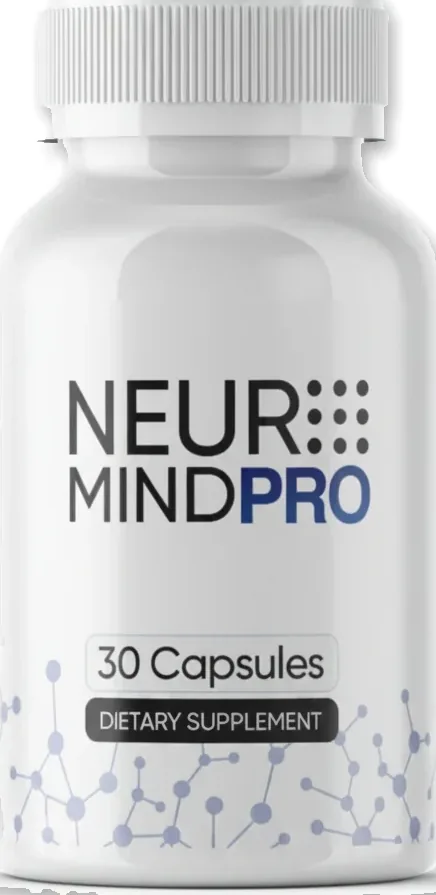
Marketing seals versus documented proof
Neuromind Testing and Quality Seals, Checked One by One
Neuromind publishes a full Supplement Facts panel and twelve seals, and no laboratory report. FDA-registered facility means a plant is listed, not that the product is approved. GMP is claimed with no audit shown. Vegetarian is supported by the panel's hypromellose vegetable capsule. Gluten free, dairy free and non-GMO are brand claims with no certificate supplied.
What proof exists for Neuromind, and what does not
One real document exists: the printed Supplement Facts panel. Everything else on the sales page is a seal, and a seal is a picture of a claim rather than the evidence behind it.
What is documented
- A full printed Supplement Facts panel, which many sales pages never show at all.
- Exact amounts and Daily Values for vitamins B1, B6 and B12.
- All ten ingredient names, with the seven inside the blend printed heaviest first, as FDA rules require.
- An other ingredients line, which is where the vegetarian claim is actually supported.
- Printed cautions and storage instructions, plus a distributor contact.
What is not
- A certificate of analysis from a laboratory. None exists for this product that we have seen.
- A test result for identity, potency, heavy metals, microbes or residual solvents.
- The name of the manufacturing plant, or the address of one.
- The name of the certifying body behind the GMP seal, or a date for any audit.
- Any figure at all for the seven ingredients inside the 151 mg blend.
That first column is better than average for this kind of product. The second column is the reason this page exists. If you want the panel itself, it is typed out line for line on the Supplement Facts page.
The seals on the sales page, read one at a time
Twelve seals appear around this product. Not one of them is worthless and not one of them is proof. The useful habit is to read each as a sentence and ask who would have had to check something for it to be true.
| Seal on the page | What it does show | What it does not show |
|---|---|---|
| FDA-registered facility | That a facility is listed with the FDA, which food facilities are required to do | Not approval of this product. The FDA does not approve supplements before sale, and registration involves no testing |
| GMP | That good manufacturing practice is being claimed for the production | No audit report, certificate or certifying body is named, so the claim is unverified |
| Manufactured in the USA | A claim of US production | The second label artwork says made in the USA with globally sourced ingredients, a weaker statement |
| Vegetarian | A claim about the capsule shell | This one the panel supports: other ingredients prints hypromellose (vegetable capsule), so no gelatin |
| Gluten free | A brand claim | No certificate or test result was shown to us. The list carries rice flour, not a wheat carrier |
| Dairy free | A brand claim | No panel ingredient is dairy, but that is read off the list, not an allergen test |
| Non-GMO | A brand claim | No verification program is named, and no certificate was supplied |
| Doctor formulated | That the brand says a doctor was involved | No doctor is named, and no credential or role is stated |
| Natural formula | Marketing wording | Natural has no fixed legal meaning on a supplement label. Caffeine is natural too |
| Money-back guarantee | A purchase policy, claimed by phone with an order ID | Nothing about the formula, the testing or how you will feel |
| Foreign and domestic ingredients | That raw materials come from more than one country | No country is named for any ingredient, so it says nothing about where the herbs were grown |
| 100% satisfaction guaranteed | The same purchase policy, worded as a promise | Satisfaction is a refund term here, not a statement about results |
Two rows in that table behave differently from the rest. The vegetarian claim can be checked against the panel, because hypromellose is a plant-derived capsule material. The money-back seal can be checked against a policy, which is set out on the guarantee page. The other eight rest on the brand's word.
FDA-registered is not the same as approved
This is the single most misread seal in the supplement aisle, so it is worth spelling out. Facilities that make food for sale in the United States register with the FDA. Registration is a listing exercise. It says the agency knows the plant exists.
It does not mean the FDA visited, tested a capsule, or looked at this formula. Dietary supplements are not approved by the FDA before they go on sale (FDA on dietary supplements), which is why the label carries the line that its statements have not been evaluated. The two facts sit on the same bottle and they do not contradict each other.
What would a GMP seal have to be backed by?
Good manufacturing practice is a real standard covering how a facility is run: cleanliness, staff training, record keeping, testing of incoming materials, and control over what goes into each batch. A GMP claim is meaningful when something stands behind it.
A named certifying body
A third-party auditor with a name you can look up, rather than a logo drawn in-house.
A certificate with a date
Audits expire. A certificate without a date tells you nothing about this year.
Per-batch testing records
Identity and potency checks on what actually came out of the plant, tied to a lot code.
A facility you can name
None of the above can be checked while the manufacturing site itself is unpublished.
For this product, none of those four is available to us. That does not mean the capsules were made badly. It means the seal is a claim rather than a finding, and you should hold it at that value.
Made in the USA, or made with ingredients from anywhere?
The two label artworks supplied for this product name do not say the same thing about origin, and the difference is the kind that matters.
- Artwork A wordingManufactured in USAThe artwork whose ingredients match the sales page
- Artwork B wordingMade in the USAContinues: with globally sourced ingredients
- What differsThe ingredientsOne claim covers assembly, the other admits the raw materials travelled
- Which appliesRead your bottleThe printed panel in your hand is the one that counts
A badge in the same set reads foreign and domestic ingredients, which is the honest version of the same idea. Most botanical extracts and bulk vitamins cross borders before reaching a capsule filler, so globally sourced is normal rather than alarming. What is not normal is two artworks under one product name saying it differently, and we do not merge them. How we handle that is on the about page.
Vegetarian, gluten free, dairy free and non-GMO
These four travel together on the sales page and they do not all have the same standing. One is supported by the printed panel and three are the brand's word.
Vegetarian is the supported one. The other ingredients line prints rice flour, hypromellose (vegetable capsule), magnesium stearate and silicon dioxide. Hypromellose is a plant-derived cellulose material, so the shell is not gelatin, and that is something you can read off the label rather than take on trust.
Gluten free and dairy free are consistent with that ingredient list, since nothing on it is a wheat or milk derivative, but consistency is an inference and not a test. Allergen claims are normally backed by testing at set detection limits, and no such result was supplied. Non-GMO is the weakest of the four, because no verification program is named.
What testing would actually settle here
One number. If a laboratory report existed for this product, the first thing worth reading would be the caffeine content of a capsule, because that is the figure the panel refuses to give and the figure that decides how the rest of your day should look.
The FDA points to 400 mg of caffeine a day as the amount not generally associated with problems in healthy adults (FDA). You can count a cup of coffee against that. You cannot count this capsule against it, because caffeine, theobromine and theacrine all sit inside one 151 mg blend with no split published. A potency test would close that gap in a single line, and it is the reason a missing certificate matters more on this label than it would on a plain multivitamin.
Ask the order desk what testing exists
Call +1 (877) 257-0710 and ask directly whether a certificate of analysis is available for your lot. A clear yes or no is useful either way.
Ask who manufactures it
A plant name makes every other claim checkable. If the answer is a distributor address, you have learned something too.
Read your own panel before the first capsule
Two artworks exist for this product name. The one on your bottle is the instruction set that applies to you.
Check the lot and best-before on the bottle base
The batch verify page explains how to read them and what our listing references actually are.
Testing and quality: common questions
Is Neuromind FDA approved?
No. Dietary supplements are not approved by the FDA before sale. The FDA-registered facility seal means a plant is listed with the agency, which involves no testing and no approval of the product.
Is there a certificate of analysis?
None that we have seen. The lot and reference codes that came with the product listing are draft labels rather than laboratory results, which the batch verify page explains in detail.
Does the GMP seal mean the product was audited?
Not on the evidence available. No certifying body, certificate number or audit date is published, so the seal records a claim rather than a finding.
Is the capsule really vegetarian?
The panel supports it. The other ingredients line prints hypromellose, described on the label as a vegetable capsule, so the shell is not gelatin.
Are the gluten free and dairy free claims tested?
No test result was supplied. Nothing on the ingredient list is a wheat or milk derivative, which is consistent with the claims, but an inference from a list is not an allergen test.
Why do the two labels differ on where it is made?
One artwork prints manufactured in USA and the other prints made in the USA with globally sourced ingredients. Those are different claims. Follow the wording printed on your own bottle.
What should I ask the order desk about quality?
Two questions: whether a certificate of analysis exists for your lot, and who manufactures the product. Call +1 (877) 257-0710 and ask. A clear answer either way tells you something.
Sources for this page
Keep reading
Ready when you are
Order Neuromind from the U.S. retail desk
One capsule a day. Follow the label on your bottle. 60-day money-back guarantee. A real person at +1 (877) 257-0710 for orders, tracking and refunds.